


K.L. Cleeton is an entrepreneur, writer, and advocate living with Spinal Muscular Atrophy in rural Illinois. He writes about disability, identity, and the systems that shape how we live at KLCleeton.com.
This February, I’ve been spending my Tuesday and Thursday evenings on a video conference with a group of young entrepreneurs and creatives through the MDA Mentorship Program. Twice a week, youth and young adults between 14 and 21 years old who live with neuromuscular disease meet with professionals in their fields of interest to talk through career pathways, share experiences, and figure out what comes next.
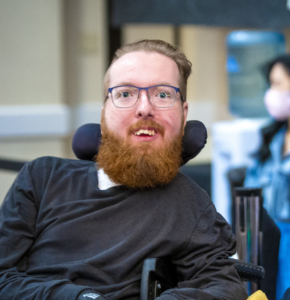
K.L. Cleeton
I serve as a mentor on the entrepreneurial and creative track, which makes sense given my background. I’ve built companies, worked in video production, played professional poker, and now split my time between a poker training platform and a startup company called Vendoor. Vendoor specializes in human asset tracking and management for contractors and retail locations
What’s genuinely surprised me the most is how much further along some of these kids are than I was at their age. They already understand what it takes to build something. They’re asking smart questions about business models, creative processes, and how to balance what they want to do with what’s actually sustainable. They’re not just dreaming. They’re thinking like entrepreneurs. They’re building real things, solving real problems, and approaching their futures with a clarity I didn’t have until much later in life. That’s humbling – and exciting.
On paper, I’m there to share what I know. In practice, I’m there because I can be.
That’s the real reason I volunteer: I have the time, opportunity, and access. I have an opportunity to use my voice and I have access to a program that connects me with young members of our community who can benefit from my experiences.
I can. So, I do.
Living with spinal muscular atrophy (SMA) means that I understand what it’s like to navigate a world that wasn’t built with people like me in mind. I know what it’s like to need things most people don’t think about. I also know that I am luck that I can work independently on a computer and I have a platform. Not everyone in the disability community has that. For a lot of people, their voice gets filtered through caregivers, family members, or systems that don’t always listen.
That’s why I take seriously the responsibility of volunteering to help guide younger people living with disabilities. When I show up to mentor these kids, when I write, when I speak publicly about disability and accessibility, I’m not just representing myself – I’m representing the people who can’t be in the room. The ones who don’t get to be on panels or share their perspective because the world assumes they don’t have anything to say.
They do. And when I use my voice, I’m trying to make space for theirs too.
Volunteering isn’t always a profound emotional experience. Sometimes it’s just showing up, doing the thing, and knowing that it mattered even if you don’t feel it in the moment. But that’s still worth doing.
Here’s the thing: you don’t have to have a disability to understand that using your voice matters. If you’ve got experience, perspective, or skills that someone else could benefit from, that’s worth sharing. Volunteering doesn’t have to be a big public-facing thing; it can be mentoring someone in your field, showing up for a cause you care about, or just being the person who says yes when someone asks for help.
The MDA Mentorship Program is one way I do that. But there are a thousand other ways. Whatever yours is, do it. Not because it’s going to change your life, but because it might change someone else’s. And if you’ve got a voice, literally or figuratively, use it. There are people counting on those of us who can.
The post Ambassador Guest Blog: How I Use My Voice by Volunteering – and Why You Should Too appeared first on Quest | Muscular Dystrophy Association.