

News Medical Duchenne Muscular Dystrophy News Feed Latest Duchenne Muscular Dystrophy News and Research
- Prednisone may impair bone health in children with Duchenne muscular dystrophy
 on September 4, 2026 at 4:20 am
In a new study published in Scientific Reports, an international and multidisciplinary research team including Binghamton University researchers identified a set of blood proteins that may explain why the corticosteroid prednisone, although beneficial in treating Duchenne muscular dystrophy (DMD), can interfere with childhood growth and bone health.
- Generative AI helps scientists design entirely new RNA transporters
 on September 2, 2026 at 7:12 pm
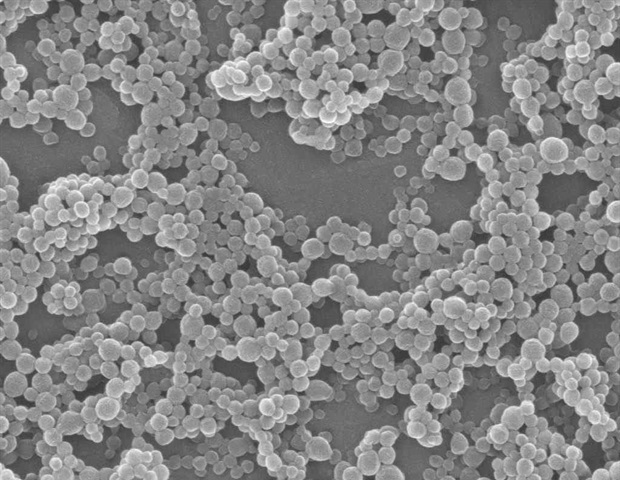
Researchers at Helmholtz Munich and TUM have developed Synthetic Transfer Vehicles (STVs), an entirely new class of RNA transporters.
- Advances in X chromosome inactivation open therapeutic opportunities for X-linked genetic disorders
 on August 3, 2026 at 8:36 pm
A new review explores how advances in understanding X chromosome inactivation (XCI) are creating potential therapeutic opportunities for a range of X-linked genetic disorders, including Rett syndrome, Fabry disease, Duchenne muscular dystrophy, hemophilia, and others.
- TRF2 protein preserves muscle stem cell identity and regeneration
 on August 1, 2026 at 12:57 am
A protein best known for protecting the ends of chromosomes also helps muscle stem cells preserve their identity and repair damaged tissue, according to a new study from researchers at the Perelman School of Medicine at the University of Pennsylvania.
- Deramiocel cell therapy slows muscle and heart damage in advanced DMD
 on July 29, 2026 at 3:47 pm
A cell therapy called deramiocel could slow muscle weakening in boys and young men with advanced Duchenne muscular dystrophy (DMD), and may also slow heart damage in those who already have heart muscle disease, a phase 3 clinical trial published in The Lancet has found.
- NOX4 inhibition may protect hearts affected by Duchenne muscular dystrophy
 on July 17, 2026 at 5:42 pm
Researchers at the University of South Florida USF Health Morsani College of Medicine have identified a potential pathway that could protect cardiac function in people with Duchenne muscular dystrophy, a progressive and fatal genetic disease that weakens the body’s muscles.
- New treatment platform delivers full-length mRNA for Duchenne muscular dystrophy
 on June 11, 2026 at 1:31 pm
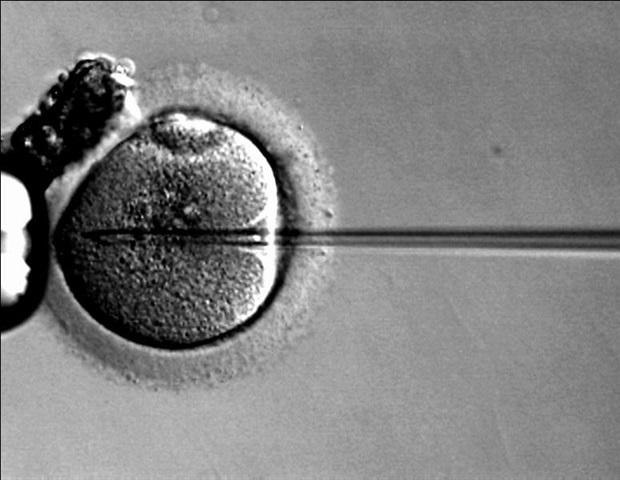
A new treatment platform developed by researchers at The University of Texas MD Anderson Cancer Center was able to deliver messenger RNA (mRNA) of the full-length DMD gene into preclinical models of Duchenne muscular dystrophy, successfully restoring the production of an important muscle protein, dystrophin, and dramatically improving muscle strength, endurance and function in vivo.
- New ‘heart-on-a-chip’ to halt cardiac damage caused by Duchenne
 on May 7, 2026 at 10:35 am
Duchenne Parent Project Spain (DPPE) has launched the BEAT Project, a research initiative focused on one of the key challenges associated with Duchenne and Becker muscular dystrophies: progressive heart damage. Cardiomyopathy is the leading cause of death in patients with DMD.
- New collaboration targets muscle loss treatments for space missions
 on April 11, 2026 at 2:36 am
The Center for Myokine Convergence Research at Korea University College of Medicine (Director: Professor Hyeon Soo Kim, Department of Anatomy, Korea University College of Medicine) has signed a memorandum of understanding (MOU) with MFC to jointly develop therapeutics for muscle loss in astronauts.
- Oz escalates Medicaid fraud claims against states after focus on Minnesota
 on March 20, 2026 at 3:56 pm
The Trump administration has signaled a willingness to halt billions of dollars in federal health payments to multiple states, mirroring moves they made against Minnesota.
HOSPITAL AND RESEARCHERS AWARDED $2.2M FOR DUCHENNE GENE THERAPY INVESTIGATION
September 9, 2017
The nonprofit Duchenne muscular dystrophy (DMD) research and advocacy organization Parent Project Muscular Dystrophy (PPMD) awarded a $2.2 million grant to Jerry Mendell, MD, PhD; co-principal investigator Louise Rodino-Klapac, PhD; and Nationwide Children’s Hospital in Columbus, Ohio, where they both work.
The funding will support Mendell, Rodino-Klapac, and their research team’s investigation into gene therapy as a potential Duchenne MD treatment.
Mendell is a professor of pediatrics and neurology and director of the center for gene therapy at Nationwide Children’s Hospital’s Research Institute, and Rodino-Klapac heads the Rodino-Klapac Gene Therapy Lab for Muscular Dystrophies, which is focused on developing gene therapy-based vectors for the treatment of various neuromuscular disorders. She is also an assistant professor at the The Ohio State University School of Medicine.
November 11, 2016
PTC Therapeutics, Inc. (NASDAQ: PTCT) today announced that the Committee for Medicinal Products for Human Use (CHMP) of the European Medicines Agency (EMA) has recommended the renewal of the conditional marketing authorization of Translarna™ (ataluren) for the treatment of nonsense mutation Duchenne muscular dystrophy (nmDMD) in ambulatory patients five years and older. In connection with the renewal, the marketing authorization will include a specific obligation to conduct an additional long-term post-authorization trial.
October 6, 2016
PTC Therapeutics, Inc. (NASDAQ: PTCT) today announced new data supporting the potential benefit of ataluren in preserving lung function in non-ambulatory nonsense mutation Duchenne muscular dystrophy patients (nmDMD). The results, which are being presented today as part of a company-sponsored symposium, are based on PTC’s analyses of lung function data from one of PTC’s ongoing open-label extension studies (Study 019) versus natural history data from a comparable non-ambulatory cohort.
September 28, 2016
Sarepta Therapeutics, Inc. (NASDAQ:SRPT), a developer of innovative RNA-targeted therapeutics, today announced the first patient dosed in the phase III clinical trial of SRP-4045 and SRP-4053 in patients with Duchenne muscular dystrophy amenable to exon 45 or 53 skipping.
September 19, 2016
Sarepta Therapeutics, Inc. (NASDAQ:SRPT), a developer of innovative RNA-targeted therapeutics, today announced that the U.S. Food and Drug Administration (FDA) has granted accelerated approval for EXONDYS 51™ (eteplirsen) as a once weekly intravenous infusion of 30 milligrams per kilogram for the treatment of Duchenne muscular dystrophy (DMD) in patients who have a confirmed mutation in the DMD gene that is amenable to exon 51 skipping.
December 18, 2015
Sarepta Therapeutics, Inc. (NASDAQ:SRPT), a developer of innovative RNA-targeted therapeutics, today announced that the Peripheral and Central Nervous System Drugs Advisory Committee of the U.S. Food and Drug Administration (FDA) will review Sarepta’s New Drug Application (NDA) for eteplirsen, on January 22, 2016. The Prescription Drug User Fee Act (PDUFA) action date for completion of FDA review of the eteplirsen NDA is February 26, 2016.
December 18, 2015
BioMarin Pharmaceutical Inc. (Nasdaq:BMRN) announced today that the U.S. Food and Drug Administration (FDA) has notified the Company that they had not yet completed their review process and would be unable to take an action by the Prescription Drug User Fee Act (PDUFA) action date for KyndrisaTM (drisapersen) of December 27, 2015, and anticipate taking action in early January 2016.
SPELL CHECKING NATURE: VERSATILITY OF CRISPR/CAS9 FOR DEVELOPING TREATMENTS FOR INHERITED DISORDERS
December 10, 2015
Clustered regularly interspaced short palindromic repeat (CRISPR) has arisen as a frontrunner for efficient genome engineering. How- ever, the potentially broad therapeutic implications are largely unexplored.
November 24, 2015
BioMarin Pharmaceutical Inc. (Nasdaq:BMRN) announced today that the Peripheral and Central Nervous System Drugs Advisory Committee of the U.S. Food and Drug Administration (FDA) met to discuss the data submitted to support the New Drug Application (NDA) for KyndrisaTM (drisapersen) for the treatment of Duchenne muscular dystrophy (Duchenne) amenable to exon 51 skipping.